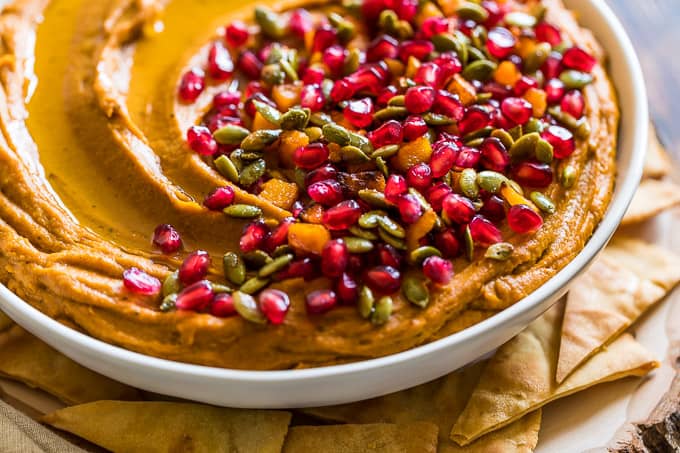
Beyond Chickpeas: Embracing the Fall Flavors of Roasted Butternut Hummus
For many, hummus is a culinary staple – a creamy, savory dip that effortlessly elevates snacks, meals, and gatherings. But what if traditional chickpea-based hummus isn't an option due to dietary restrictions or simply a desire to explore new flavor horizons? Enter the world of bean-free "hummus-inspired" dips, a realm where creativity thrives and texture reigns supreme. This fall, we invite you to discover a truly enchanting alternative: a luxurious, savory-sweet creation that captures the very essence of autumn. Prepare to fall in love with your new favorite seasonal spread: roasted garlic butternut hummus. This isn't just a clever substitution; it's a celebration of seasonal ingredients. It takes the beloved concept of hummus – that smooth, rich texture and versatile appeal – and infuses it with the soul-warming character of butternut squash and the deep, mellow notes of roasted garlic. For anyone seeking a delicious, bean-free dip that feels both familiar and excitingly new, this recipe is an absolute must-try.The Autumnal Alchemy: Why Roasting Transforms Butternut and Garlic
The magic of this particular "hummus" begins not in the food processor, but in the oven. Roasting is more than just cooking; it's a flavor-enhancing process that unlocks the deepest potential of butternut squash and garlic, creating a complex foundation that mere boiling could never achieve. When butternut squash encounters the high heat of the oven, its natural starches undergo a remarkable transformation. They convert into complex sugars, which then caramelize, developing a profound, nutty sweetness. This isn't just a sweet taste; it's a rich, almost butterscotchy depth that forms the backbone of our autumnal dip. The edges may even brown slightly, adding another layer of intricate flavor often referred to as the Maillard reaction – a chemical process responsible for the delectable browning and complex flavors we associate with roasted foods. Similarly, roasting garlic works wonders. Raw garlic can be intensely pungent, sometimes overpowering. But when roasted, those sharp, sulfurous compounds mellow considerably. The cloves soften, turn golden, and their flavor becomes incredibly sweet, nutty, and profoundly aromatic. It transforms from a sharp kick to a gentle, comforting hug, making it the perfect complement to the caramelized butternut. The scent that fills your kitchen as these two ingredients roast is, in itself, an edible hug, signaling the cozy arrival of the season.Crafting Your Silky Smooth Roasted Garlic Butternut Hummus
Achieving that signature hummus-like texture and incredible flavor is simpler than you might think, especially with a few key tips.Step 1: The Roast is King
Start by preparing your butternut squash. Halve it, scoop out the seeds, peel it (if desired, though roasted skin can be edible for some), and cube it into roughly one-inch pieces. Toss these with a drizzle of olive oil, salt, and pepper. For the garlic, leave the cloves unpeeled, perhaps trim the very top off the head, drizzle with a little olive oil, and wrap loosely in foil.
Here’s a crucial detail from our reference: garlic cooks faster than butternut squash. To ensure both are perfectly roasted without burning the garlic, it’s often best to add the garlic partway through the squash's cooking time, or remove it sooner if they go in together. Keep an eye on your garlic; once it's soft, fragrant, and slightly golden, it's ready. The butternut will be tender, easily pierced with a fork, and beautifully caramelized.
Step 2: The Blend for Perfection
Once cooled slightly, squeeze the soft, roasted garlic cloves from their skins. Combine the roasted butternut squash and garlic in a food processor. This is where the magic happens! To achieve that iconic creamy hummus texture, you'll want to add traditional hummus components like tahini (sesame paste, providing essential earthiness), fresh lemon juice (for brightness), a touch of olive oil, and a pinch of salt. Depending on the moisture content of your squash, you might also add a tablespoon or two of water or vegetable broth to reach your desired consistency. Process until incredibly smooth and velvety. Taste and adjust seasonings – perhaps a little more lemon, salt, or even a hint of cumin to further enhance the fall spices. Remember, the goal is a seamless, harmonious blend of sweet, savory, and tangy notes.
The Art of Presentation: Toppings and Dippers that Delight
What truly elevates any dip, including our bean-free roasted garlic butternut hummus, is the thoughtful addition of toppings and the variety of dippers you serve alongside it. These elements add contrasting textures, vibrant colors, and complementary flavors, transforming a simple dip into a show-stopping centerpiece. For more inspiration on elevating your dip, check out our related article: Ultimate Fall Dip: Roasted Butternut Hummus with Creative Toppings.Creative Toppings:
- Reserved Roasted Butternut: Before blending, set aside a few perfectly roasted butternut cubes. These make for beautiful, rustic garnishes and offer a textural contrast.
- Candied Pumpkin Seeds: A simple yet impactful topping. Toast pumpkin seeds, then lightly candy them with a touch of maple syrup or honey and a sprinkle of warm spices like cumin or a pinch of cayenne for a subtle kick. Their crunch and sweet-savory notes are irresistible.
- Pomegranate Arils: These jewel-toned seeds are a visual delight and provide a burst of tart, juicy freshness that beautifully cuts through the richness of the hummus.
- Fresh Herbs: A sprinkle of chopped fresh parsley, sage, or thyme can add an aromatic flourish.
- Drizzle of Olive Oil: A final swirl of high-quality extra virgin olive oil always adds a touch of elegance and richness.
Delicious Dippers:
- Fresh Vegetables: Crisp carrot sticks, cucumber slices, bell pepper strips, and celery are classic, healthy dippers that provide a refreshing crunch.
- Rice Crackers: Surprisingly addictive with this hummus, rice crackers offer a delicate crunch and neutral flavor that lets the hummus shine.
- Grain-Free Pita Chips: For those avoiding grains, making your own pita chips from grain-free pita bread is a fantastic option. Simply brush both sides of the pita bread with olive oil, sprinkle with a pinch of salt and perhaps some garlic powder or paprika, cut into wedges, and bake until golden and crispy (around 10-15 minutes at 375°F/190°C).
- Apple Slices: The crisp sweetness of apple slices provides a delightful contrast, echoing the autumnal theme.
- Gluten-Free Crackers: A wide variety of gluten-free crackers can stand up to this hearty dip.
Practical Tips for Success and Storage
This roasted garlic butternut hummus recipe is designed to be as versatile and convenient as it is delicious. Here are a few practical tips to ensure your culinary success:Batch Size: This recipe typically uses an entire medium-sized butternut squash, resulting in a generous batch. If you’re cooking for one or two, you can easily halve the recipe. The leftover roasted butternut squash can be reserved for another use, such as adding to soups, salads, or grain bowls. Don't be afraid to experiment with the ratios of squash to tahini to achieve your preferred richness and flavor balance. For more in-depth guidance on balancing these flavors, read our article: Autumn's Aroma: Mastering Roasted Garlic Butternut Hummus Flavors.
Storage: Without the fresh toppings, this bean-free hummus keeps exceptionally well. Store it in an airtight container in the refrigerator for up to a week. Its flavors often deepen and meld beautifully overnight, making it an excellent make-ahead option for entertaining or meal prep. Simply give it a good stir before serving, and add your fresh toppings just before guests arrive.
Serving Temperature: While delicious chilled, allowing the hummus to come closer to room temperature for about 15-20 minutes before serving can enhance its creamy texture and allow the roasted flavors to truly sing.
